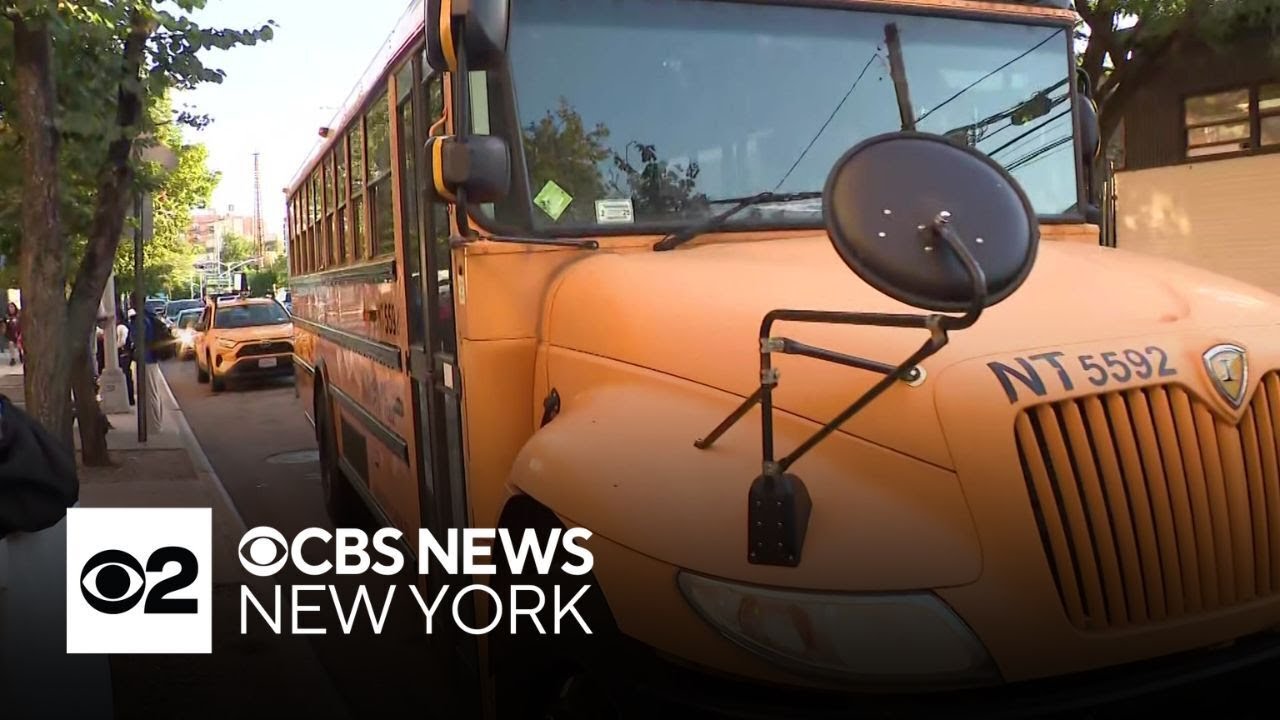
(More than 154,000 city public school students experienced homelessness in the 2024-25 school year, according to the findings. CBS News New York's Doug Williams reports.)
For All Supporters
Stable housing is not just shelter—it is the foundation for a child’s survival, safety, and future success.
For just $1,000, YOU can help save children from dangerous homeless shelters by helping move families into safe, stable, permanent housing.
Your $1,000 purchase helps transform abandoned or underutilized properties into clean, code-compliant apartments for families with children—giving them a place to sleep safely, succeed in school, and begin to heal from the trauma of homelessness These children face daily instability—frequent school disruptions, food insecurity, unsafe living conditions, and long-term trauma that can permanently impact their health, education, and economic outcomes. Stable housing is not just shelter—it is the foundation for a child’s survival, safety, and future success.
Your $1,000 purchase helps transform abandoned or underutilized properties into clean, code-compliant apartments for families with children—giving them a place to sleep safely, succeed in school, and begin to heal from the trauma of homelessness These children face daily instability—frequent school disruptions, food insecurity, unsafe living conditions, and long-term trauma that can permanently impact their health, education, and economic outcomes. Stable housing is not just shelter—it is the foundation for a child’s survival, safety, and future success.
It is a small amount of money that can have a life-changing impact on a child’s future.
A home is more than four walls. It is protection.
It is stability.
It is hope.
With your support, children can leave shelters behind—and step into a real home.
A home is more than four walls. It is protection.
It is stability.
It is hope.
With your support, children can leave shelters behind—and step into a real home.
Why This Matters
Across America, families with housing vouchers struggle to find landlords willing to accept them.
As a result, children remain trapped in shelters, cars, overcrowded apartments, or unstable living arrangements—despite having government assistance.
By expanding the supply of well-maintained, voucher-accepting housing, we can:
- Reduce child homelessness
- Keep families together
- Improve educational stability
- Create safer neighborhoods
- Break generational cycles of poverty
As a result, children remain trapped in shelters, cars, overcrowded apartments, or unstable living arrangements—despite having government assistance.
By expanding the supply of well-maintained, voucher-accepting housing, we can:
- Reduce child homelessness
- Keep families together
- Improve educational stability
- Create safer neighborhoods
- Break generational cycles of poverty
Children are homeless in every city, county, and state—every part of our country.
Looking beyond current statistics, tight housing markets in major urban centers—such as Massachusetts, New York, Newark, Philadelphia, Baltimore, and Washington, D.C.—will continue to drive increases in the number of homeless children.
Addressing this crisis requires not only public policy solutions, but also private, mission-driven capital willing to support long-term affordability—ensuring that families with children have a stable place to call home.
Addressing this crisis requires not only public policy solutions, but also private, mission-driven capital willing to support long-term affordability—ensuring that families with children have a stable place to call home.
Finding Innovative Capital Solutions Is Critical
Addressing the affordable housing crisis requires innovative capital solutions—including zero-interest financing, and long-term investment horizons—that eliminate the burden of debt service.
One of the primary drivers of the affordable housing shortage is the high cost of development, particularly the cost of debt service.
While land acquisition, construction materials, labor, regulatory compliance, and professional fees all contribute to rising development costs, the expense of borrowing capital often makes otherwise viable affordable housing projects financially infeasible.
For affordable housing developments—where rents are capped and operating margins are intentionally thin—these debt costs can consume a disproportionate share of project cash flow.
As interest rates rise, monthly debt service payments increase, forcing developers either to abandon projects altogether or to pursue higher rents that are incompatible with affordability goals.
Smaller developers are often locked out of the market entirely because they cannot access capital on terms that align with long-term affordability.
By lowering the cost of capital, more projects can move forward, more property owners can participate in voucher programs, and more families can gain access to safe, stable, and affordable housing.
One of the primary drivers of the affordable housing shortage is the high cost of development, particularly the cost of debt service.
While land acquisition, construction materials, labor, regulatory compliance, and professional fees all contribute to rising development costs, the expense of borrowing capital often makes otherwise viable affordable housing projects financially infeasible.
For affordable housing developments—where rents are capped and operating margins are intentionally thin—these debt costs can consume a disproportionate share of project cash flow.
As interest rates rise, monthly debt service payments increase, forcing developers either to abandon projects altogether or to pursue higher rents that are incompatible with affordability goals.
Smaller developers are often locked out of the market entirely because they cannot access capital on terms that align with long-term affordability.
By lowering the cost of capital, more projects can move forward, more property owners can participate in voucher programs, and more families can gain access to safe, stable, and affordable housing.